Commercial Pressure Washing Checklist For Jacksonville Property Managers
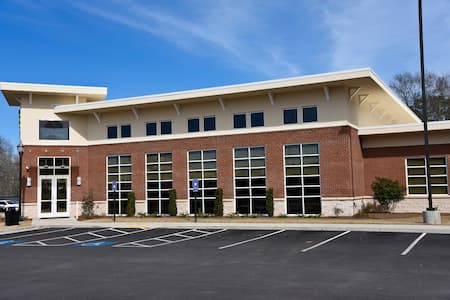
If you manage offices, retail centers, or multifamily communities in Jacksonville, FL, you already know curb appeal can change overnight. Humidity, salt air, and busy foot traffic work fast. Use this checklist to plan a smooth, low‑disruption schedule with Kirk's Power Pressure Washing. If you need a quick start, build your plan around a commercial pressure washing plan that fits your property type, hours, and surfaces.
From Downtown and Riverside to San Marco, Baymeadows, and Jacksonville Beach, each area has its own grime pattern. Shade feeds algae on stucco. Irrigation iron leaves orange rust on concrete. Coastal wind carries salt film to glass and metal. A clear plan keeps tenants happy and reduces complaints after service.
What Property Managers In Jacksonville, FL Should Know
Weather matters here. Summers are hot and wet. Pollen peaks in spring. Afternoon storms can pop up fast. Near the Beaches, salt and sand add abrasion. Inland, shaded breezeways stay damp and slick. These conditions guide your cadence, prep work, and communication plan so your schedule fits local realities instead of fighting them.
Material mix matters too. You might oversee painted stucco, EIFS, brick, vinyl, aluminum, anodized metal, glass curtain walls, and sealed pavers on one site. Each surface tolerates different pressure and chemistry. The safest route is to standardize expectations in writing with your vendor and confirm methods by surface so there are no surprises on service day.
Your Step-By-Step Commercial Pressure Washing Checklist
Scope And Surfaces
Document exactly what you want cleaned and how clean it needs to be. Separate public‑facing areas from back‑of‑house so you can assign time windows that match traffic. List surfaces by type and sensitivity. avoid high pressure on stucco or eifs; ask for a low‑pressure approach on delicate finishes. Include known problem spots like gum pockets downtown, breezeway algae in Southside, and rust from sprinklers in Mandarin.
Timing And Tenant Communication
Pick windows that protect revenue and reduce foot traffic. Early mornings work for storefront sidewalks on Beach Boulevard. Evenings help at office parks near Deerwood when lots empty out. Share dates with tenants and security at least a week ahead, then send a 24‑hour reminder. Note any blackout dates such as large deliveries, events, or home games that affect parking near the Sports Complex.
Site Access And Safety
Confirm gate codes, loading zones, and any height limits for equipment. Identify water access and electrical needs if applicable. Plan cones and barricades where pedestrians cut through. post wet floor signs and block foot traffic where surfaces stay damp. Ask your vendor to stage hose runs to avoid trip hazards and to use quiet hours where noise travels.
Water, Drainage, And Overspray Controls
Walk the site to find low spots, storm drains, and sensitive landscaping. Protect door thresholds and tenant displays with temporary barriers. Near the Beaches, watch for salt‑laden spray drifting onto parked vehicles. do not allow wash water to enter storm drains or neighboring lots. Your vendor should plan recovery where needed and keep runoff away from public walkways.
Vendor Standards And Insurance
Request written methods by surface, SDS sheets for cleaners, and a named project lead with on‑site authority. Verify experience with Jacksonville substrates like painted stucco and sealed pavers. confirm insurance and an active coi before any work starts. Ask for photo documentation of before, during, and after so you can close work orders without repeat visits.
Pre‑Service Walkthrough Checklist
- Mark sensitive areas like keypad doors, elevator lobbies, and recently painted walls.
- Relocate outdoor furniture, planters, sandwich boards, and tenant displays.
- Cover landscape beds where overspray could spot leaves or flowers.
- Identify gum‑dense zones and oil‑stained parking stalls that need extra dwell time.
- Verify water spigots function and note shut‑off locations.
- Confirm start time, site map, and tenant notification method.
Post‑Service Verification
- Inspect entry paths, ADA ramps, and breezeways for remaining slick spots.
- Check base of walls for zebra striping or oxidation lift on older paint.
- Review gum removal on corners where foot traffic bunches.
- Walk the lot for overspray on glass and vehicles in the first row.
- Approve photos and note any punch‑list items while crews are still on site.
Surfaces And Stain Priorities Around Jacksonville Properties
Keep slip hazards top of mind on shaded breezeways in Arlington and Northside garden‑style communities. Algae returns fastest where sunlight is limited. Concrete sidewalks along heavily landscaped corridors collect tannins and leaf litter, which stain. In coastal zones like Jacksonville Beach and Neptune Beach, metal rails and light poles pick up salt film that dulls finishes. For retail along Town Center and Baymeadows, gum clusters near food tenants demand targeted work so the entire sidewalk looks uniform.
Rust and irrigation stains are common throughout Mandarin and Southside. Call these out in your scope so the vendor brings the correct chemistry for surfaces that allow it. Brick and pavers can trap sand and weeds, so request attention to joints in high‑traffic areas near curbs and crosswalks. If your property includes loading docks, expect baked‑in tire marks, forklift scuffs, and oil drips. A clear priority list helps the crew spend time where it counts most for tenant satisfaction and leasing photos.
How Often Should You Schedule Service In Jacksonville, FL?
Cadence depends on exposure, traffic, and tenant mix. Many managers aim for monthly or bi‑monthly refreshes on storefront walks and breezeways, then quarterly or semiannual deep cleans on plazas, curbs, and garage entries. Near the coast, plan more frequent light service to keep salt from building on railings and glass. In shaded riverfront areas like Riverside and San Marco, algae can return fast after summer rains, so tighten intervals during the wettest months.
If you are building an annual plan, start with high‑visibility paths, curb lines, and main entries. Layer in seasonal add‑ons like pollen cleanup in spring and post‑storm touch‑ups during late summer. For a simple way to organize everything in one place, review your options on the commercial pressure washing service page and set recurring intervals that match tenant traffic and weather windows.
You can also skim practical ideas on the blog. The archive at pressure washing tips helps you align cleaning cadence with real‑world issues like shade, pollen, and public events without getting into do‑it‑yourself steps.
Communication That Reduces Complaints
Tenants appreciate clarity. Share maps that show cones, barricades, and alternate paths. Include short, plain‑language timelines so staff know when to expect wet surfaces. Ask crews to start at secondary entrances and end at main entries to minimize visible disruption during peak hours. For Downtown retail and office near Hemming Park, tight windows early in the morning keep noise and hoses out of the rush.
Parking control is key. Coordinate with towing and courtesy patrols so first‑row stalls are open. If you oversee multifamily, alert residents through your portal and lobby notices. Where breeze carries mist, ask crews to stage wind breaks or adjust wand angles. These small steps pay off in fewer calls and faster approvals.
Quality Controls You Can Build Into Every Visit
Make quality expectations part of the work order. Specify uniform appearance across sections so there is no checkerboard effect where one bay looks much cleaner than the next. Ask for a test spot on anything delicate, then a quick manager review before the crew proceeds. If you manage a portfolio across the Westside and Southside, keep a shared photo standard so you can compare results across properties.
Finally, include a short closeout checklist. The crew should remove cones they placed, reopen barricaded paths, and tag any areas that need extra drying time. If a punch list is needed, set a return window within a few days so the same team can finish while conditions match the first visit.
Plan, Document, And Standardize Your Program
Consistency wins. Create a master scope by surface, set seasonal intervals, and keep a simple folder of site maps, notices, and before‑and‑after photos. Share the packet with your vendor before each visit so the crew is not starting cold. If you need a one‑page overview you can hand to owners or regional managers, start with the service menu on pressure washing services and note which items apply to each property in your portfolio.
For brand visibility and leasing, plan photos a day or two after service when surfaces are fully dry and the sun angle is flattering. That timing helps your marketing look polished across web listings and tours. If you manage properties near the Beaches, schedule photography in the morning before salt haze builds.
Set Expectations For Tenants And Staff
Align janitorial teams so they can sweep debris before service. Ask tenants to pull mats, sandwich boards, and outdoor displays. If you manage food service, request a quick grease spill check the night before so the area cleans evenly. In garages and lots, coordinate with security so the first two rows are clear. These small moves turn a good cleaning into a great one.
When you summarize the plan for owners, it helps to include one sentence about why you chose the cadence. You can cite traffic counts, shade patterns, or coastal exposure, along with portfolio standards. If you need a plain‑English reference to share, you can point to your Jacksonville FL commercial pressure washing program at the home base and note how it scales by property size and mix.
Ready To Put Your Checklist To Work?
Keep this page handy, walk your sites, and lock in service windows before the busy season hits. If you want help shaping a schedule around your materials and tenant traffic, connect with Kirk's Power Pressure Washing and we will build a plan that fits. Call us at 904-479-6404 or book through our commercial pressure washing schedule to get everything moving.
Need a Power Washing Expert?
Contact Us Today!
Pressure Washing Tips
-
Why Routine Commercial Pressure Washing Matters for Property Maintenance
Jacksonville’s heat, salt air, and sudden showers work fast on building exteriors. A predictable routine for commercial pressure washing in Jacksonville, FL keeps entrances bright, walkways safer, and maintenance simple. If you want a plan that fits your property’s hours and surfaces, see our commercial pressure […]
-
Why House Washing Is Part of Smart Home Maintenance
In humid Northeast Florida, regular house washing is more than curb appeal. It is smart home maintenance that protects paint, siding, and trim from algae, mildew, and salt air. If you want a clean exterior without the risk of damage, choose professional soft-wash methods. You can […]
Our Latest Projects